Writers everywhere should know about the latest author marketing scams and how to identify and resist them.
Writing Tip for Today: The advent of AI has led to clever and updated ways that marketers and others try to scam writers and authors. Here are some signs of scams and how to avoid them:
Rise of AI
Marketers, fake agents and editors have always been around to prey on unsuspecting writers. The rise of AI has multiplied and facilitated those schemes and made it much easier to put together a convincing email scam.
The main trend right now is to generate using AI, glowing emails that try to flatter an author into falling for the scheme. AI scrapes the internet for detailed plot descriptions as well as reviews of your work to fabricate emails that sound as if the person has read and enjoyed your book.
According to toddnewman.com, “Scammers quote specific plot details, characters, or review blurbs from an author’s book to fake deep familiarity, build false emotional trust, and trap writers into paying steep upfront fees for bogus promotional services.”
Caveat Emptor
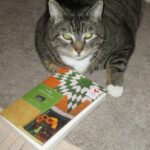
My own experience backs this up. I receive almost weekly emails from persons who praise my book (At this time mostly the Thank God for Cats book) and write long paragraphs designed to convince me that they’ve actually read the book.
The first one I received puzzled me. It read, “Recently, I came across Thank God for Cats . . .” I was amazed to think that anyone would a) randomly come across it and b) that the emailer described this fun little book as some literary masterpiece.” Hmm.
I did my due diligence by looking up the marketing company. Sometimes there isn’t one with that name. But even more often, some scammers claim to work for well-known publishers or firms. I even received an interview offer on Prayers for Parents of Prodigals by a secular radio outlet in the UK. Another recent scam was an author’s url and actual email posing as a fellow writer friend who just happened (you guessed it) “to come across Thank God for Cats.” Even real authors can have their sites hacked and used to pose as legit authors.
Even real authors can have their sites hacked and used to pose as legit authors.

Be Aware and Avoid
Spreading the word from those of us who’ve been scammers’ targets alerts others so that they don’t waste time. If you answer one of these emails, they’ll often wait until you’re on board before they ask for money. If I’m not sure, my first reply is always, “How much does this cost?” They either try to convince me to buy-in or they disappear. Always research the supposed company before you reply.
Legit publicists and publishers don’t cold email prospective clients. They usually work with your literary agent or the publisher before approaching you. It’s safe to just hit delete—if the person is legit, they’ll likely go through those channels first. If not, be very careful before you hire either an editor or a marketer. In the publishing world, no licenses or credentials exist to prove their competence. ANYone can say they’re an agent, editor or publicist.
Finally, be alert to new schemes and scams. Writers are targeted because our egos long to be reassured. The moment you add emotional response to a pitch; it becomes harder to avoid. Have you run into these kinds of marketer scams? Spread the word so more victims aren’t parted with their money.